A room can contain lovely things and still feel unsettled. Often the issue is how the pieces relate. These are our design preferences and practical starting points, not universal rules about good taste.
The tiny rug floating in the middle
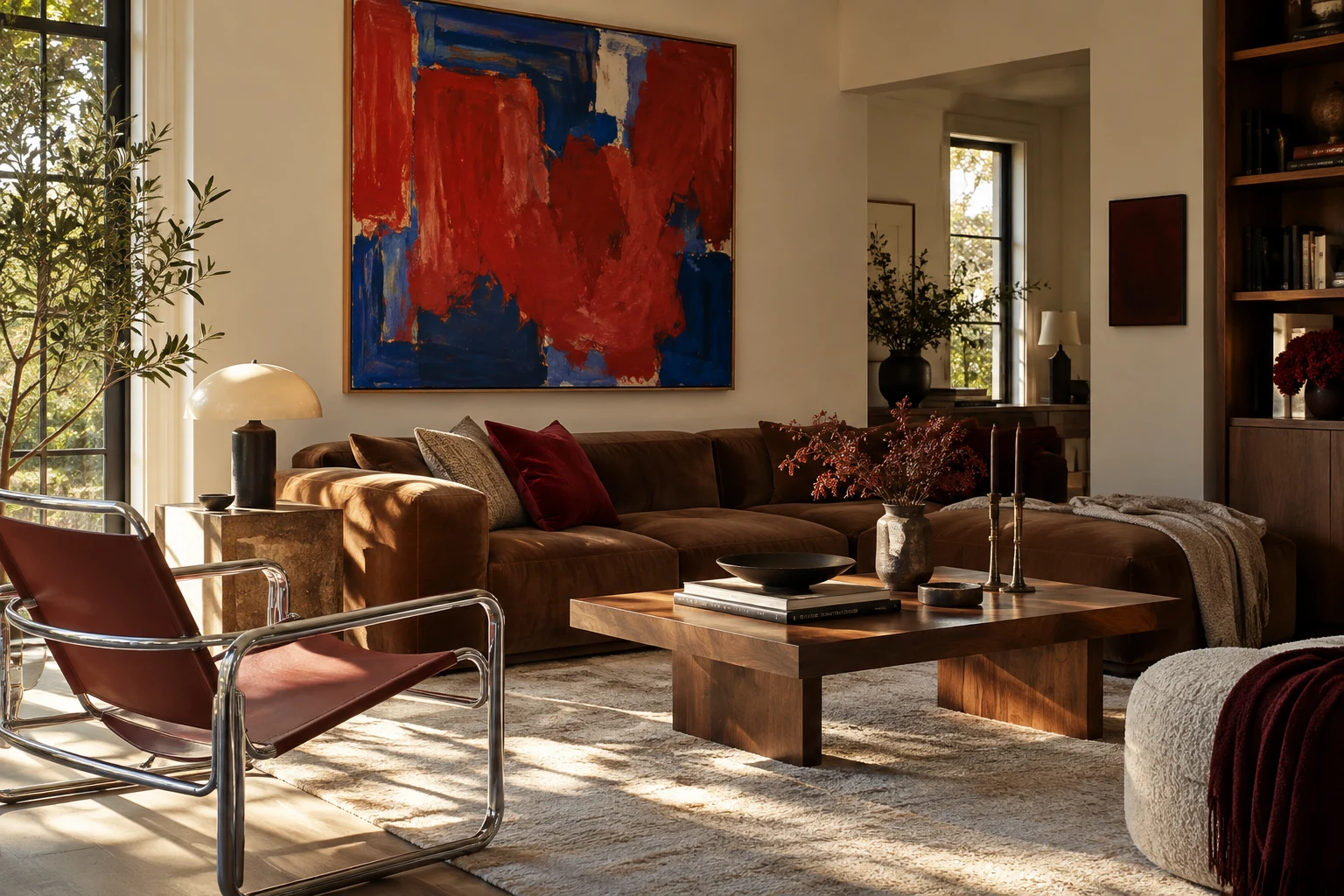
When the furniture surrounds a small isolated rug, the seating area can feel disconnected. Try a position where the rug relates to the seating, or tape out a larger footprint before shopping. You can also remove it temporarily to see whether the room feels calmer without it.
Everything came from the same set
Matching furniture is convenient, but identical finishes and shapes can make a room feel rigid. Keep the pieces you need and vary something small: a lamp, side table, textile, or artwork. You do not have to replace a perfectly useful set.
Every surface has a little something
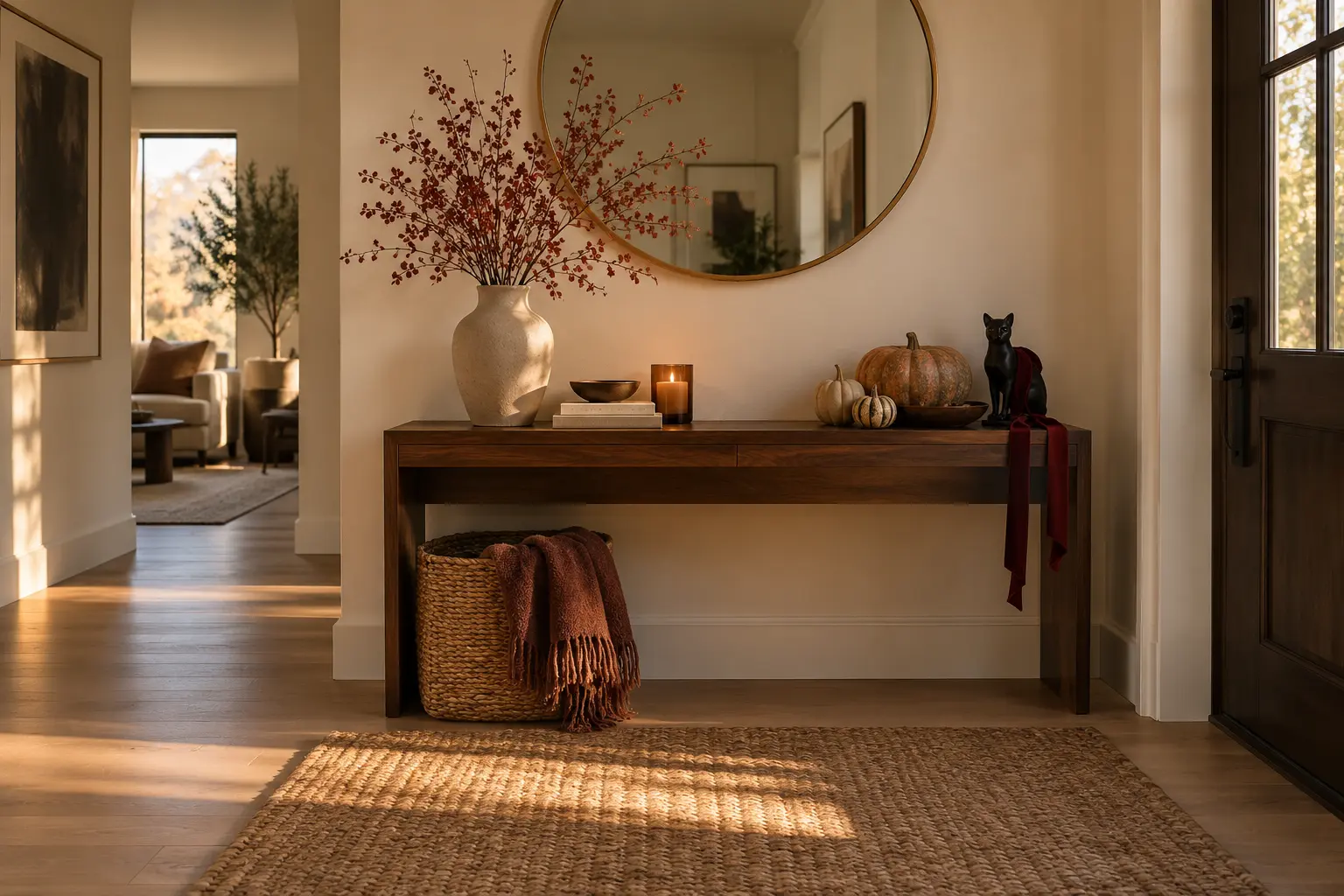
Lots of small decorations can blur into visual noise. Group a few objects you like and clear a neighboring area. A useful empty surface is part of the room, too.
The artwork floats too far from the furniture
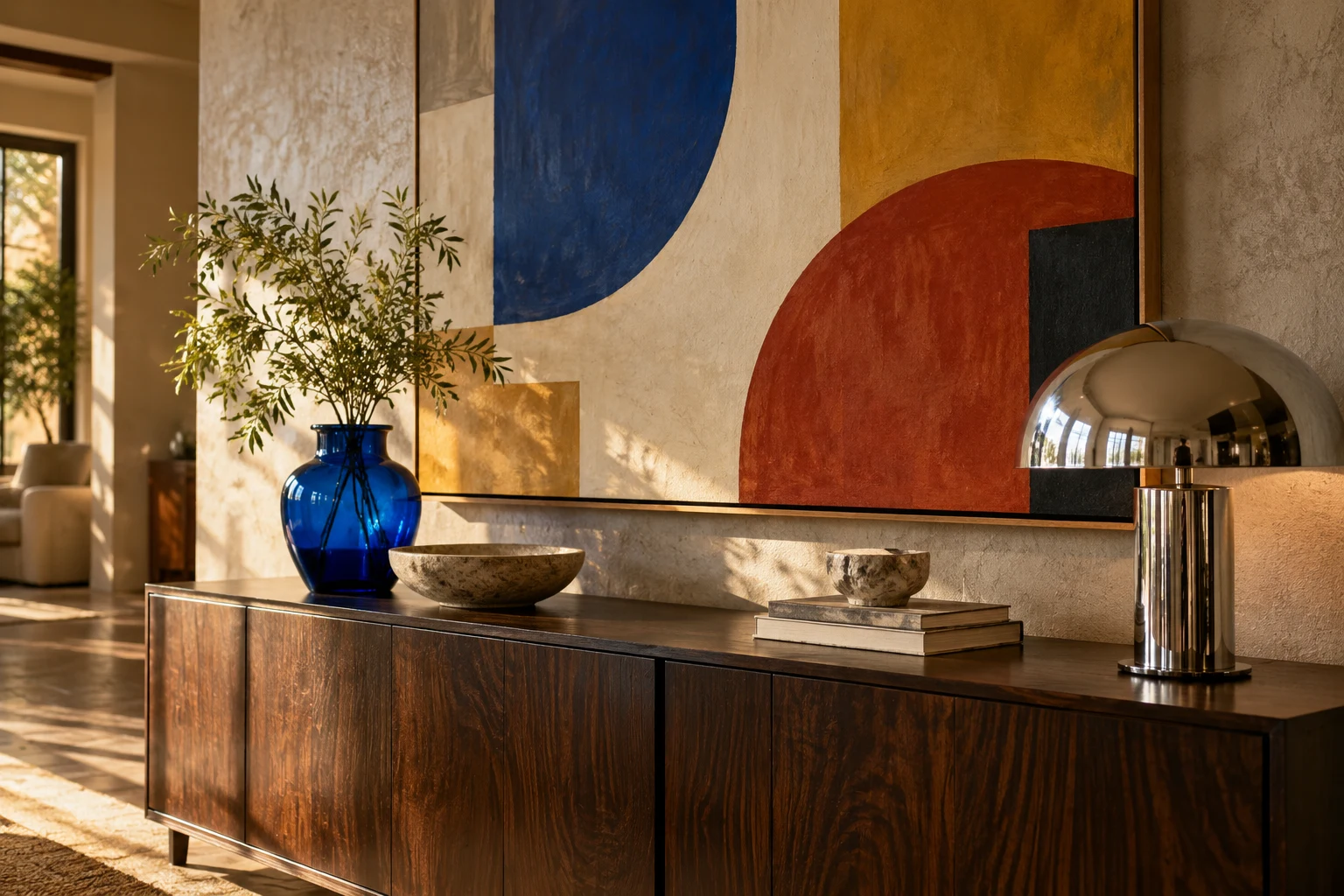
If a piece feels disconnected from the sofa or cabinet below it, test a lower position using a paper template. Judge from where you sit, not just while standing beside the wall. The right relationship matters more than following a measurement blindly.
Only the ceiling light is doing the work
One bright overhead source can leave a room feeling harsh after dark. Try an existing lamp in the area you actually use, then switch off the overhead light and compare. You may need different lighting for reading than for relaxing.
Take a photo before you move anything. Make one adjustment, photograph it from the same spot, and compare. It is easier to see what helped.